Tieguanyin: ask for the roast style
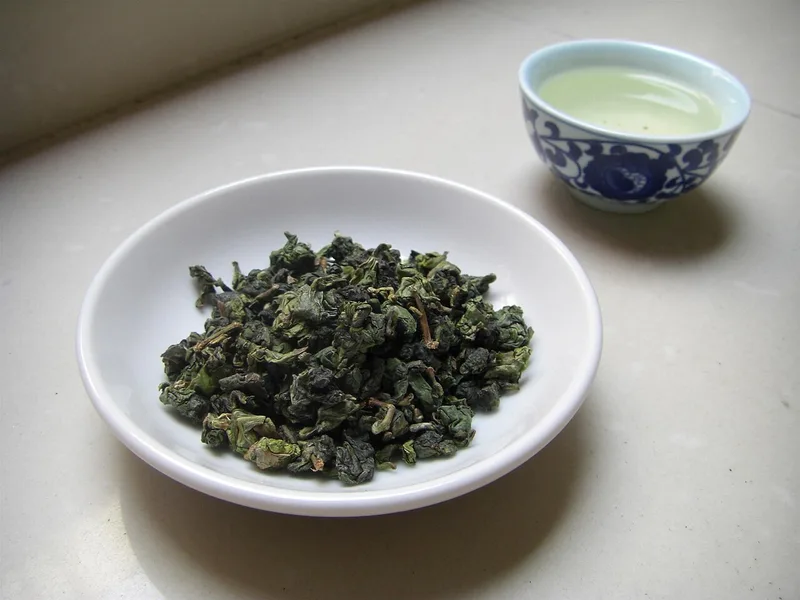
Light-style Tieguanyin is a starting point for fresh floral flavors; roasted Tieguanyin offers a warmer direction. The name alone does not tell you which version is in the packet. Ask about roast, batch and origin, then try small packs side by side. Strong floral aroma is not by itself proof of either exceptional quality or added flavoring.
Wuyi rock tea: variety and roast first
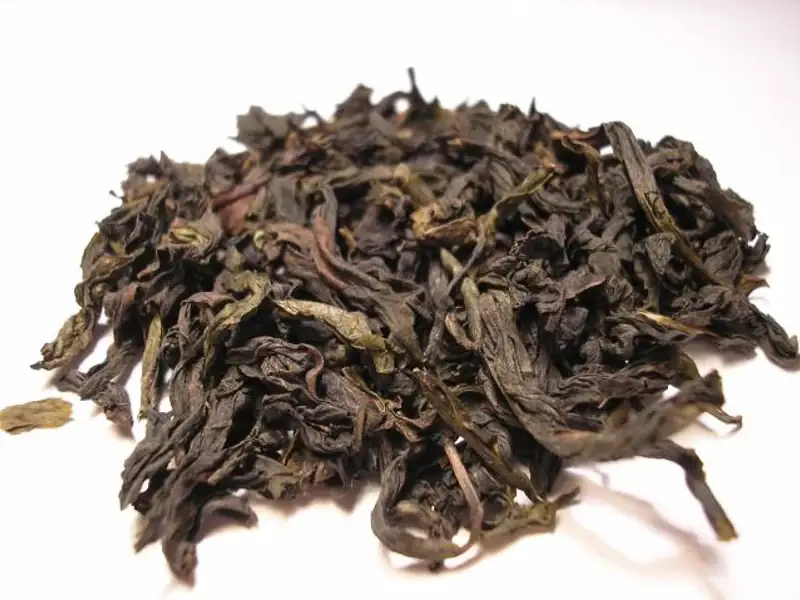
Da Hong Pao, Rou Gui, Shui Xian and Lao Cong Shui Xian are useful names to explore, but a roast description makes shopping easier. Ask whether the tea is lighter or more heavily roasted and whether it is a blend. A Da Hong Pao blend can be a deliberate, enjoyable product. A prestigious rock-area or old-bush claim is not something you can verify by judging roast intensity alone.
Dan Cong: choose an aroma you like
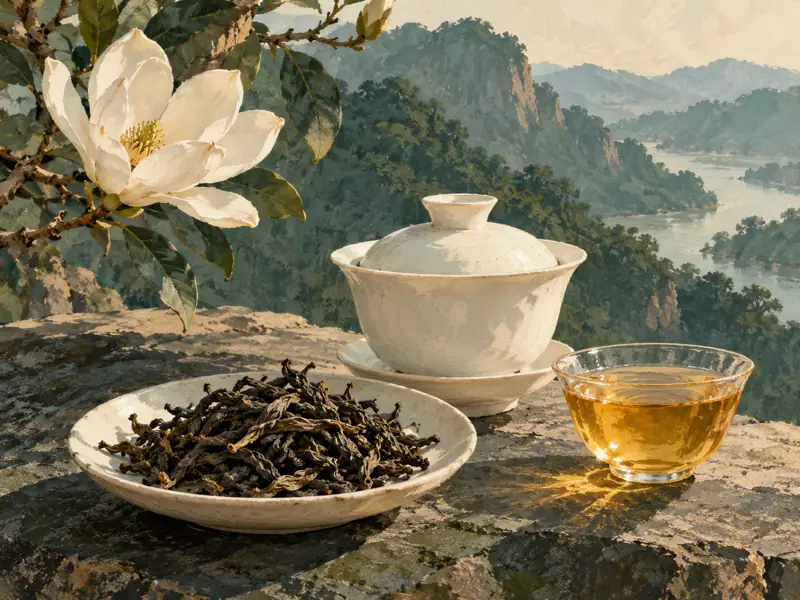
Feng Huang Dan Cong covers many fragrant styles; Ya Shi Xiang is one familiar name. Ask the seller for the aroma style, roast and a workable first recipe. These teas can become harsh when brewed too strongly or left too long. Do not assume an evocative aroma name means the named flower or other ingredient has been added; check ingredients when that matters to you.
Taiwan: a region is not the whole recipe
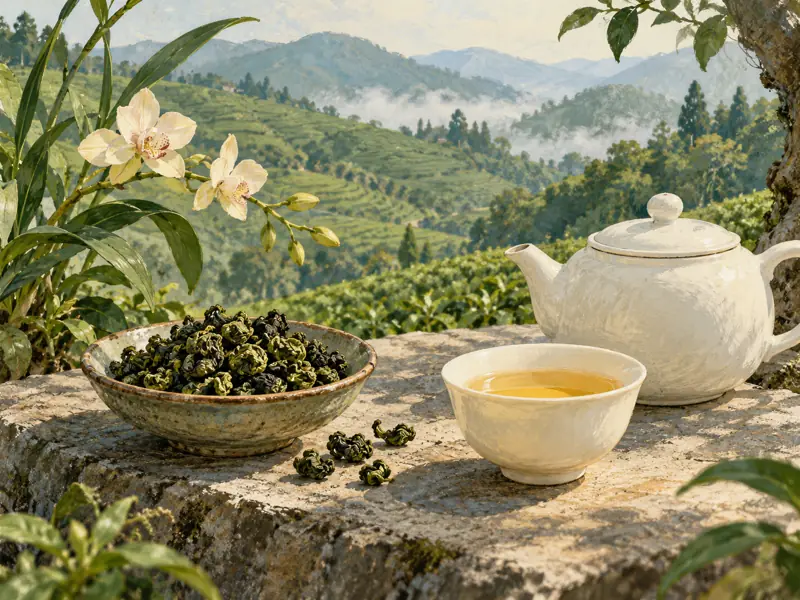
Wen Shan Bao Zhong offers a lightly processed floral direction. Dong Ding can be sold in different roast styles; Alishan is an origin name. Jin Xuan names a cultivar and can have a creamy character, while products labeled milk oolong may also be flavored. Oriental Beauty offers another, often honeyed direction. Ask about cultivar, roast, harvest and ingredients rather than relying on high-mountain or competition labels alone.
A first order with three clear contrasts
Choose one light rolled oolong, one roasted oolong and, if you enjoy exploring, a small fragrant Dan Cong sample. If you dislike roast, compare two light styles instead. Spend the first budget on contrasts, the second on more of your favorite, and an optional third on a special lot. No universal price or number of infusions authenticates an oolong.
Match the tea to your brewing routine
Ask for instructions for your mug, strainer or small pot. A pre-portioned packet designed for a small gongfu vessel may be too much for a long mug infusion. Compare samples more than once before judging them. Keep tea sealed and away from odors; for a refrigerated sealed pack, let it warm before opening to reduce condensation. Buy for the routine you will actually keep.
Ready for a starting point that fits your taste?
Find my tea