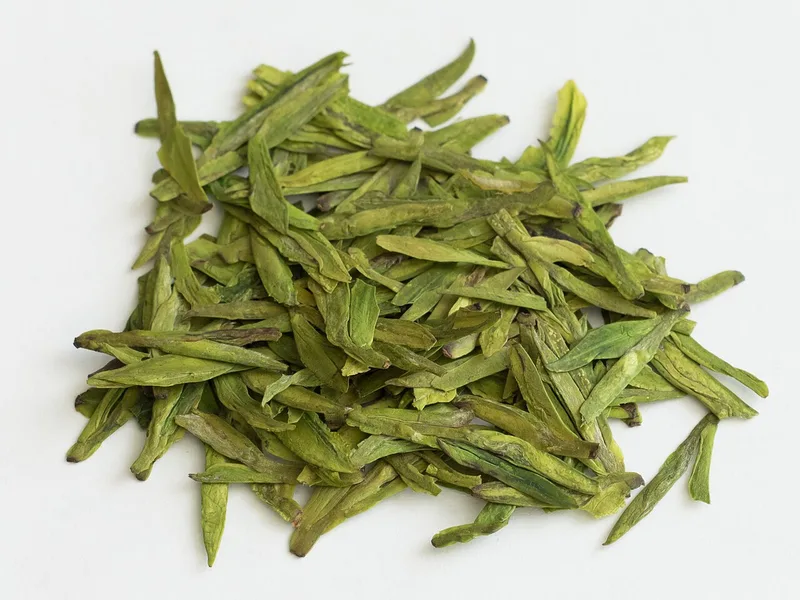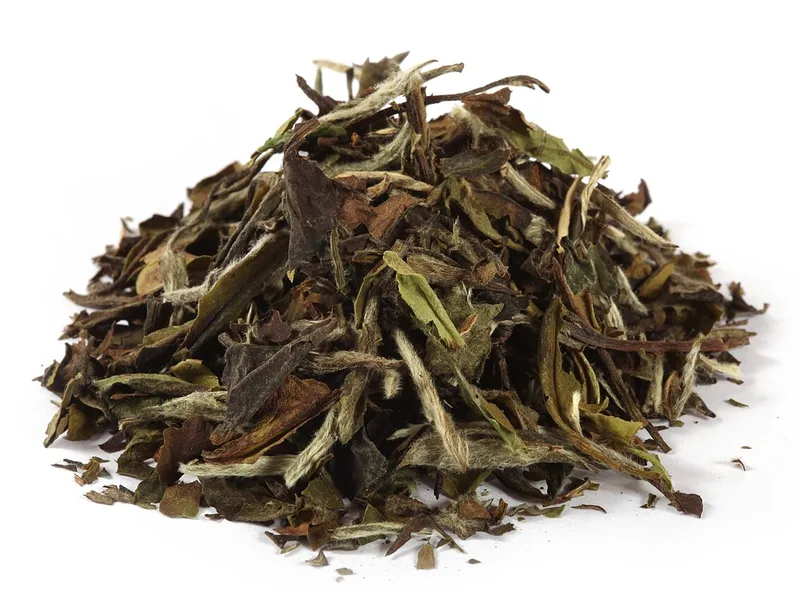
A season is an attribute
Spring, early spring, autumn and winter describe when leaves are picked in a stated region. They do not replace green, white, oolong or other processing categories. A winter oolong is still an oolong.
Ask for a place and a year
A seasonal name without a region or year leaves useful details unanswered. Weather, cultivar and processing affect what is possible and how a tea tastes. Taiwan tea research describes interactions between cultivar and season, rather than one winner for every tea.
Harvest and production can differ
Ask whether a listed date means picking, processing, roasting or pressing into a cake. If more than one batch is blended, ask how dates are described. Avoid converting a vague date into a precise age claim.
Choose a sample over a slogan
An early harvest may carry a premium, but the label alone cannot predict your favorite cup. For an aged tea, ask about storage as well as age. Compare a small portion before treating rarity, season or age as a reason to buy more.
Early spring and winter: compare within a style
Compare spring and winter samples of the same stated tea style, region and producer where possible. Ask for the harvest year and whether roasting or storage differs. Otherwise several variables change together. Winter and winter-picked late flush are not interchangeable labels; ask the seller for the actual picking period.
Watch a real tea lesson
Essential Information for Buying Tea
By Mei Leaf
Ready for a starting point that fits your taste?
Find my tea