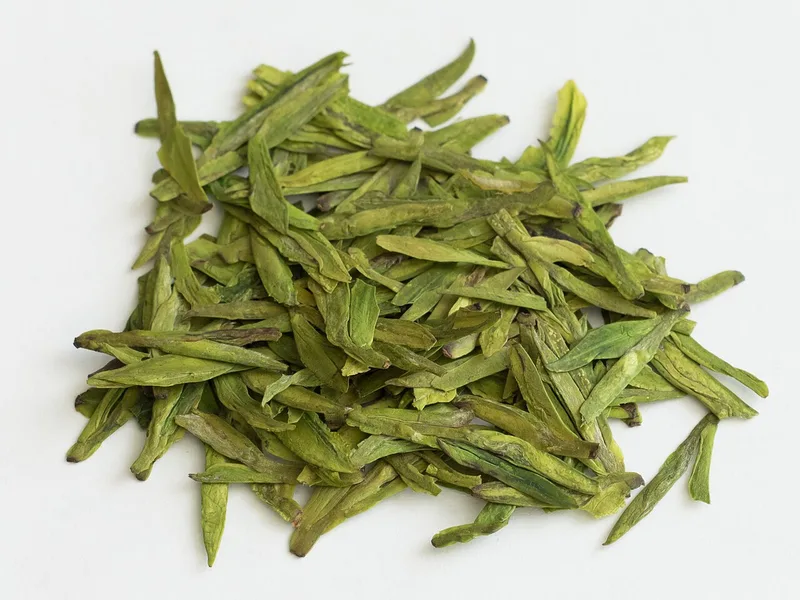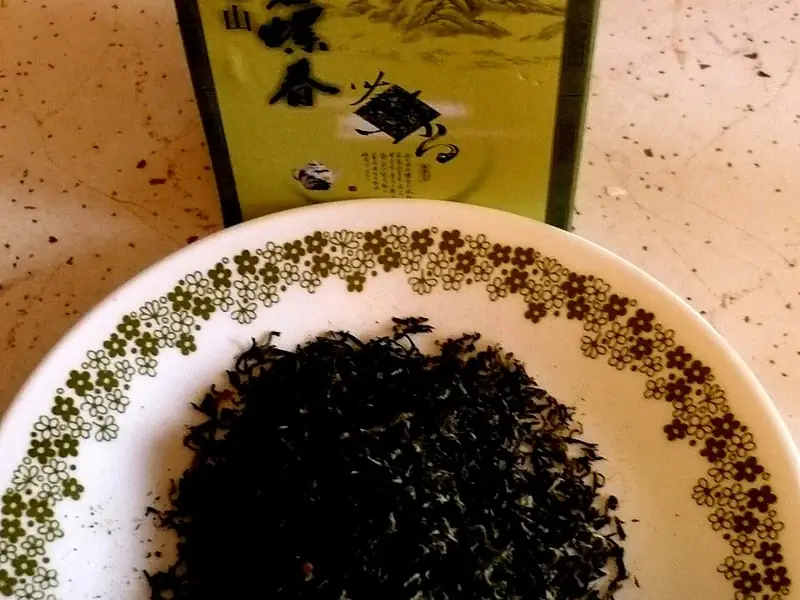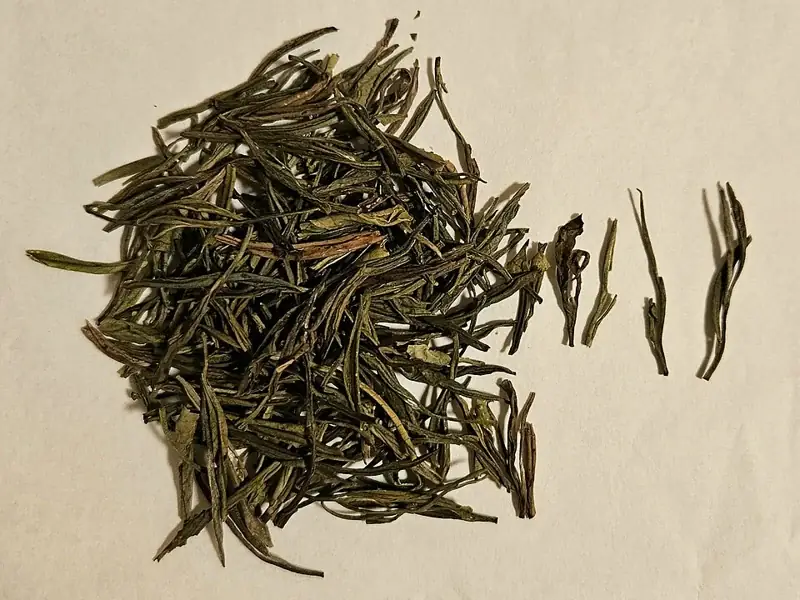
Choose a style you want to drink
Longjing is a useful starting point for toasted, nutty notes. Biluochun offers another direction, often described as delicate, fresh and fragrant. Anji Bai Cha is a green tea despite the word white in its name; the processing category matters more than the literal translation. Start with the flavor description instead of a famous-tea ranking.
Ask which harvest you are buying
Look for the harvest year and, when available, a picking or production period. Check whether the listing refers to the current batch rather than leaving last season’s text in place. Freshness also depends on storage and packaging. A current-year label does not compensate for tea that has sat open in heat and humidity.
Compare early picking with an everyday lot
Mingqian means picked before Qingming; it describes timing, not a universal quality grade. Earlier lots may cost more because supply and labor differ. Try an early lot beside a later spring lot if that distinction interests you. Paying less for a later harvest is a sensible everyday choice when you prefer its flavor.
Be specific about origin claims
For Longjing, ask for the actual producing area and whether the seller is claiming West Lake origin. A Longjing-style leaf shape cannot settle that question. For Biluochun, ask whether the product is from the Dongting area or another origin. For Anji Bai Cha, ask the producing locality and batch details. Buy a clearly described product instead of treating a low price as proof of fraud.
A first order and a simple budget
Buy one or two 25–50 gram packs rather than a large seasonal stockpile. An everyday lot, a comparison sample and an optional famous-origin sample are three useful spending levels. Compare the delivered cost and the amount you will actually finish; there is no single dollar-per-gram threshold that authenticates green tea. Extra-fast international shipping is not automatically necessary.
Keep it fresh and judge a fair cup
Follow the seller’s brewing method before judging bitterness. Use a shorter steep or cooler water if the cup is harsh, then taste again. Store tea tightly sealed away from light, moisture and odors. If you refrigerate a sealed pack, let it reach room temperature before opening to limit condensation; choose small packs that you can finish while the aroma appeals to you.
Ready for a starting point that fits your taste?
Find my tea