A rinse is a brewing choice
Rinsing means briefly wetting the leaves and discarding that liquid before the first drinkable infusion. It can help loosen a compressed portion or begin opening tightly rolled leaves. It is common in some gongfu routines, but it is not a required first step for every tea.
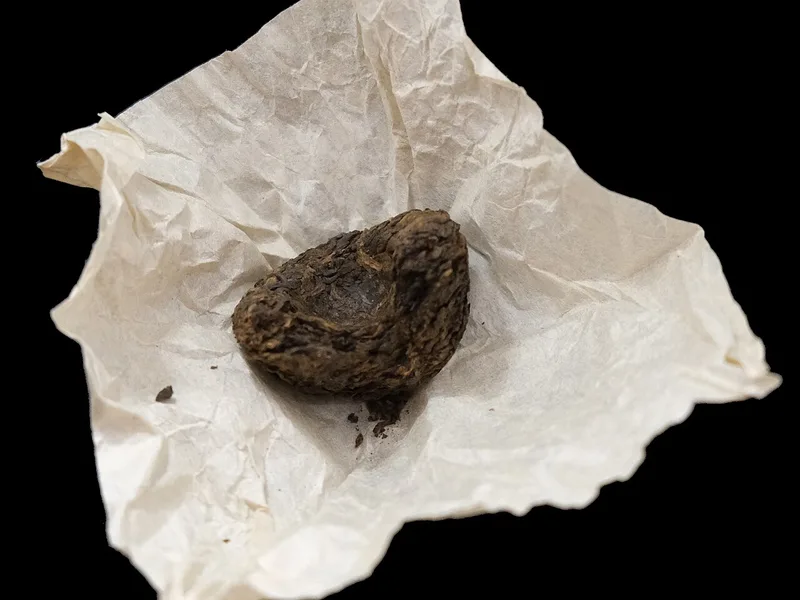
Compressed pu-erh: loosen first, then decide
Separate a small portion carefully so hot water can reach the leaves. If the maker suggests a quick rinse, wet the portion and drain it fully. Follow the tea’s instructions rather than repeatedly washing it. A dense piece may need a short rest after wetting before the next infusion reaches its center.
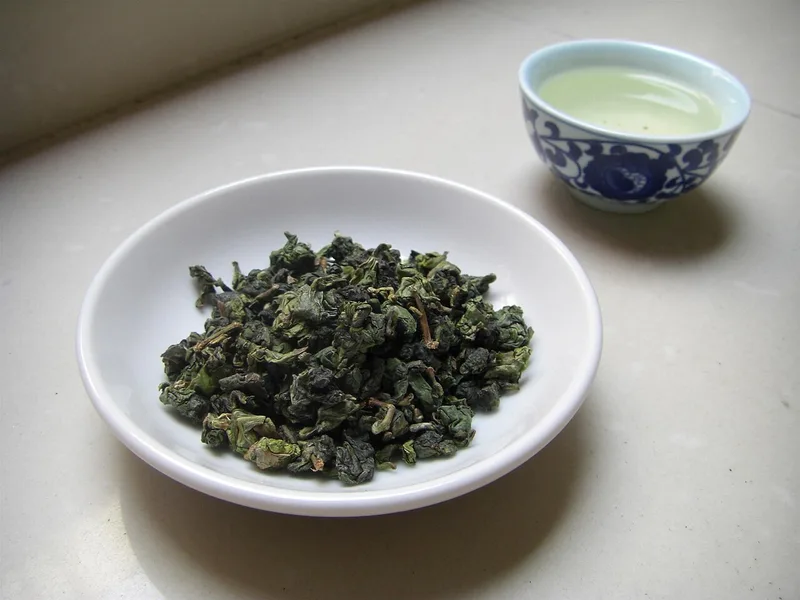
Rolled or roasted oolong: optional
A brief rinse is one way to start a small-vessel session, especially with tightly rolled leaves. You can also keep the first infusion and let the opening happen in the cup. Try both approaches with the same tea and vessel, then keep the one whose first cup you enjoy.
Green, white and black tea: start without one
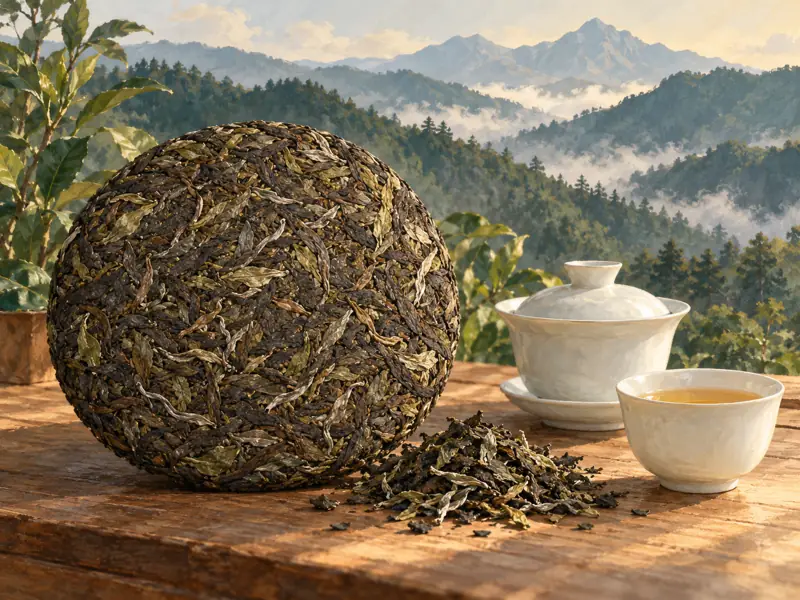
For a first mug, skipping a rinse is a useful default unless the product instructions say otherwise. You keep the earliest aroma and have fewer steps to manage. White tea cakes are a different practical case from loose buds and leaves: compression, rather than the category name alone, affects how they open.
What a rinse cannot promise
A quick splash cannot certify that pesticides, microbes or unwanted substances have been removed. It is also not a dependable way to make tea caffeine-free. If the product smells wrong, shows mold or has questionable storage, choose another tea rather than trying to rescue it with more rinses.
Try a small comparison
Keep the leaf amount, vessel and water the same. Brew one portion without rinsing and another with a brief rinse, following the tea’s instructions. Compare the first cup’s aroma, strength and drying sensation. This answers the useful question: does that extra step improve this tea for you?
Ready for a starting point that fits your taste?
Find my tea