Back to Everyday Curio
Tea CompassChinese tea, made approachable

Tea changes every five years

Explore how tea changes with time, using five-year checkpoints and five tea styles.

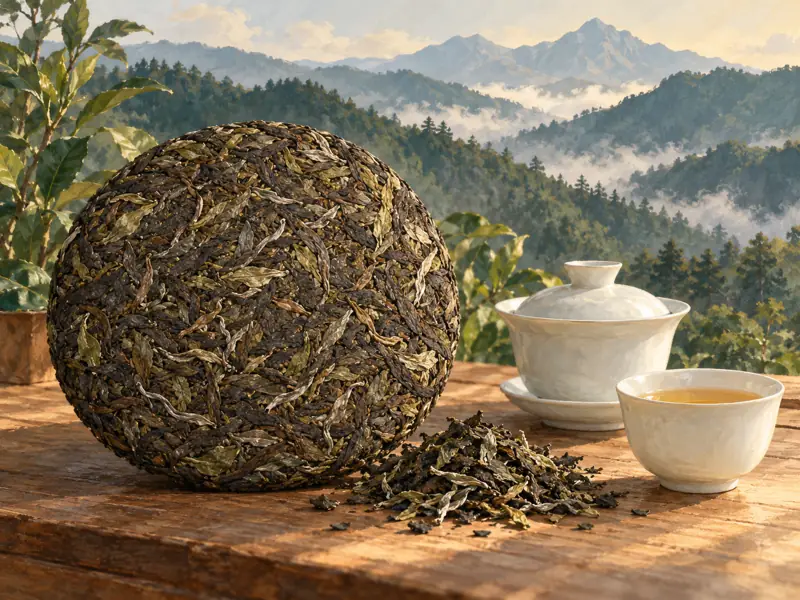
Sheng Pu-erh

Two ways to read tea age

Raw pu-erh

Seller descriptions

3–5 years · Transition

7–12 years · Fruit and honey

12–25 years · Wood and depth

Drinkers’ notes

0–2 years · Fresh and brisk

2–7 years · Transition

10–25 years · Wood and depth

Mei Leaf describes a 3–5-year transition; white2tea places aged character around 7–8 years, clearer after 10–12. Some drinkers dislike years 2–3; others enjoy young tea.

Ripe pu-erh

Seller descriptions

0–2 years · Rest after processing

2–10 years · Earthy and mellow

10–25 years · Older does not guarantee better

Drinkers’ notes

0–2 years · Rest after processing

2–10 years · Earthy and mellow

10–25 years · Changes vary

Ripe tea is already pile-fermented. Some batches benefit from resting; others are pleasant immediately.

White tea

Seller descriptions

1–3 years · Tea

3–7 years · Medicine: a saying

7–25 years · Treasure: a saying

Drinkers’ notes

0–1 years · Fresh and brisk

1–3 years · Transition

3–10 years · Fruit and honey

The one/three/seven-year saying is a selling story, not a medical timetable. TeaDB’s interview describes a 1–3-year transition and later honey or dark fruit; leaf grade and storage change the path.

Aged oolong

Seller descriptions

0–5 years · Roast and rest

5–10 years · Aged label

10–25 years · Older does not guarantee better

Drinkers’ notes

0–5 years · Roast and rest

5–10 years · Wood and depth

10–25 years · Changes vary

Ask for both harvest and last roast date. Drinkers report old notes around 5–10 years, but repeated roasting can produce smoky notes.

Liu Bao

Seller descriptions

1–2 years · Processing can change aroma

10–25 years · Wood and depth

Drinkers’ notes

0–5 years · Earthy and mellow

15–20 years · Betel-nut aroma reports

Reports place naturally developed betel-nut notes around 15–20 years, while modern processing may bring similar descriptors earlier. These are different routes, not an age test; the second lane includes tea-taster reports.

Same year, different storage

StorageWhat you might noticeWhat to ask
Cooler / drierFresh notes may last longerWhere, and for how long?
Warmer / more humidChange may be quicker; musty notes may appearWas moisture controlled?
Roasted againRoast can dominate age notesWhen was the last roast?

Young and aged: five things to compare

Look or tasteYoung teaAged tea
Dry leavesOften lighterOften darker
Tea liquorOften lighterOften deeper
AromaFresh / floralHoney / fruit / wood
MouthfeelMay feel briskMay feel rounder
Spent leavesObserve texture and colorObserve texture and color

These are tasting prompts, especially for raw pu-erh, not authentication tests. Ripe tea starts darker. Moldy or water-damaged tea should not be tasted; age and normal smell cannot certify safety.

Five-year checkpoints, not a fixed cycle

Use five years as an easy comparison point, not a deadline. Tea can change gradually, and different teas may peak, plateau or decline. The two timelines compare seller descriptions with drinker experiences; raw material, processing and storage shape the actual pace.

Gu shu and tai di

Gu shu refers to old tea trees; tai di describes plantation-grown tea. Seller definitions of old trees vary. Neither label is a measured quality score.

Questions to ask a seller

Ask how the seller defines tree age and documents this batch. Leaf size, flavor and packaging cannot establish tree age.

Five, ten or fifteen years?

Age alone cannot predict the cup. Raw material, processing and storage differ. A dated tea is not guaranteed to taste better than a younger tea.

Read the date, then sample

Ask whether the date means harvest, processing or packaging, and where the tea was stored. Compare small samples with repeatable recipes before paying an age premium. Taste cannot prove age or safety.

Ready for a starting point that fits your taste?

Find my tea
Teas to explore

Sheng Pu-erh

Dark tea & pu-erh

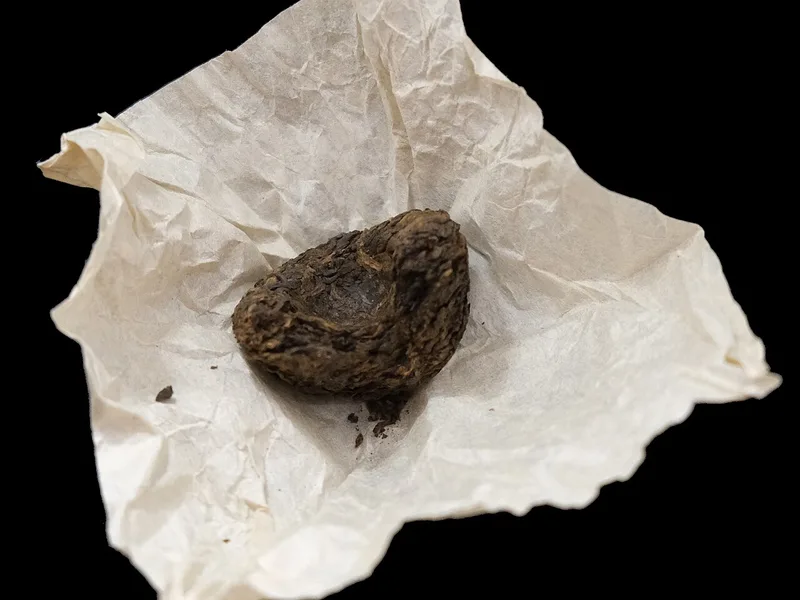
Sheng Pu-erh

生普洱 / 生普

shēng pǔ'ěr

Fresh greens · Soft fruit · Soft sweetness

Fresh and brisk; age and storage can change the cup substantially.

Explore this tea
Ripe Pu-erh

Dark, earthy tea

Ripe Pu-erh

熟普洱 / 熟普

shú pǔ'ěr

Earth · Wood · Dark sweetness

A full, earthy cup that can suit someone seeking more body. Earthiness is a preference question, so begin with a sample.

Explore this tea
Bai Mudan

White Peony white tea

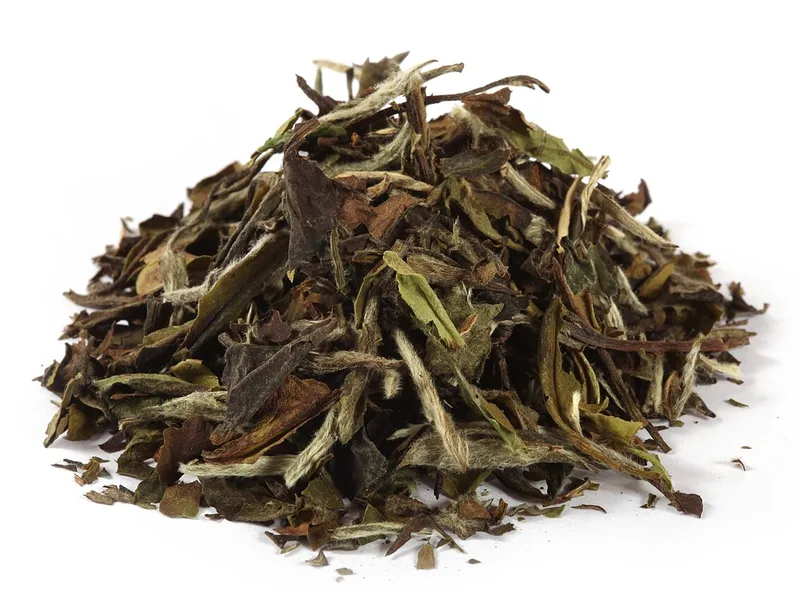
Bai Mudan

白牡丹 / 白茶

bái mǔ dān

Hay · Flowers · Soft fruit

A light cup with hay-like, floral and softly fruity notes. Fresh and aged versions can differ substantially.

Explore this tea