Pick a direction: lively or mellow
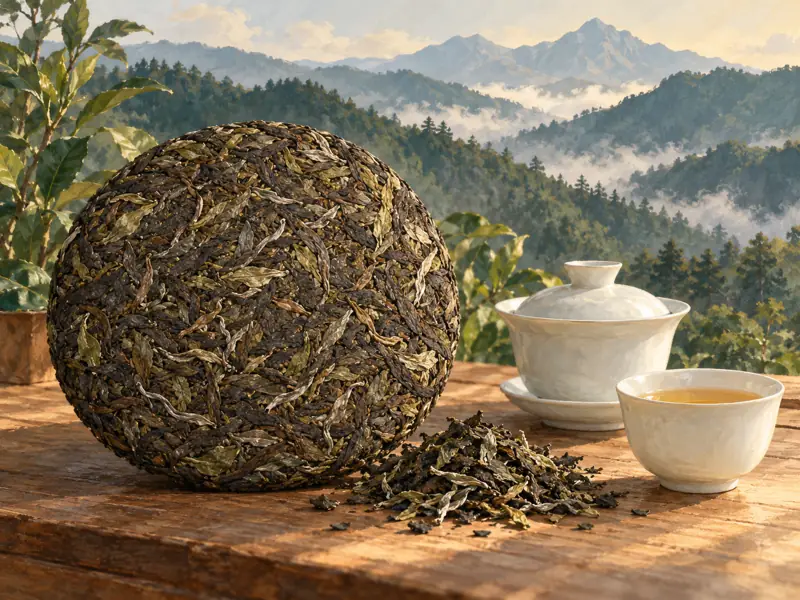
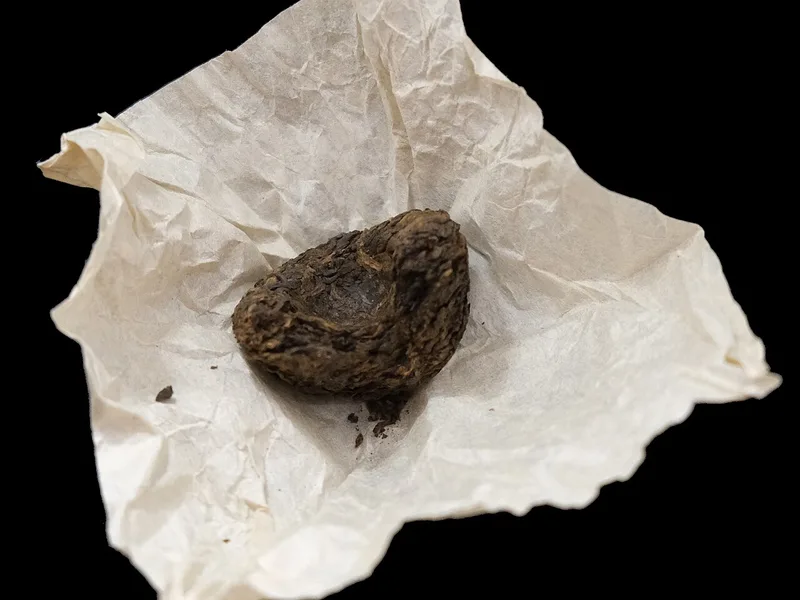
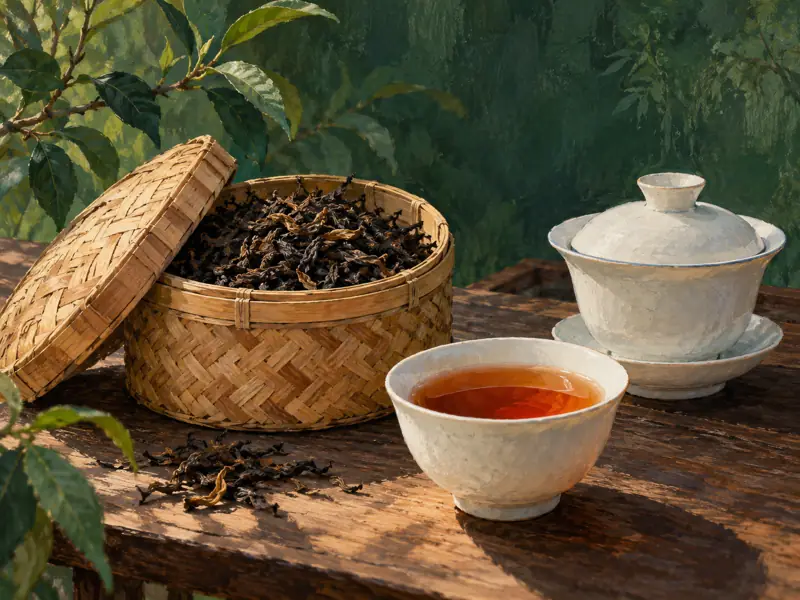
Sheng, or raw pu-erh, can be fresh, floral and brisk when young; age and storage can change it considerably. Shou, or ripe pu-erh, undergoes pile fermentation and commonly offers a darker, smoother, earthy direction. Liu Bao is a separate dark-tea tradition from Guangxi, not another name for pu-erh. None of these names guarantees a particular flavor.
Buy sessions before buying a cake
Choose a small ripe sample, a young raw sample and, if available, a Liu Bao sample. A 20–25 gram portion can support several small-vessel sessions, depending on your recipe. A whole 357 gram cake is a commitment when you have not tasted the batch. Loose tea and small compressed portions are also reasonable first purchases.
Spend on comparison before prestige
Use your first budget to compare styles. For your next order, buy a larger pack of the sample you finished happily. Reserve a third, optional budget for an aged or named-origin sample. Calculate the delivered cost per gram and per session; a costly tiny sample and a cheap large cake answer different questions. No mountain-name price chart can tell you which cup you will enjoy.
Ask three dates and storage questions
Ask for the leaf harvest year, the pressing or packing year, and how the tea was stored. For ripe tea, ask about production and when the batch became available. For Liu Bao, ask the maker or seller to describe the processing style. A wrapper date may describe packaging rather than leaf harvest; keep the answer with your tasting notes.
Treat age and tree stories as buying questions
Ancient-tree, old-bush and famous-village labels can add a large premium. Ask what information supports the particular batch, then taste a sample. Leaf size, wrapper design and a dark infusion cannot establish tree age or a production year. Blending is a normal way to make a consistent tea and is not automatically an inferior choice.
Choose a pleasant sample and keep it clean
Follow the sample’s brewing directions and compare it over more than one session. A tea you actively dislike is not a necessary training stage. Keep tea away from dampness and strong odors; do not deliberately wet it to create age. Visible mold or a persistently unpleasant smell is a reason to stop and contact the seller, rather than a reason to rinse repeatedly.
Ready for a starting point that fits your taste?
Find my tea