A growing system, not a tea category
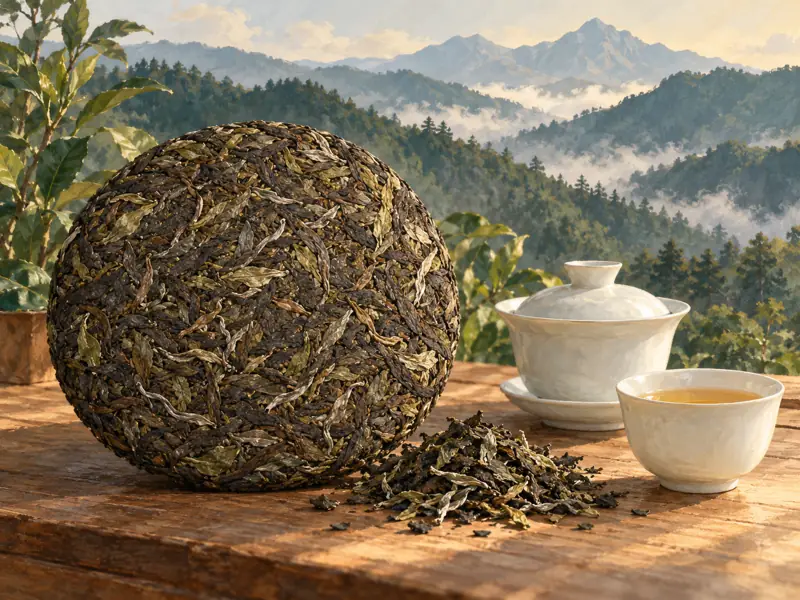
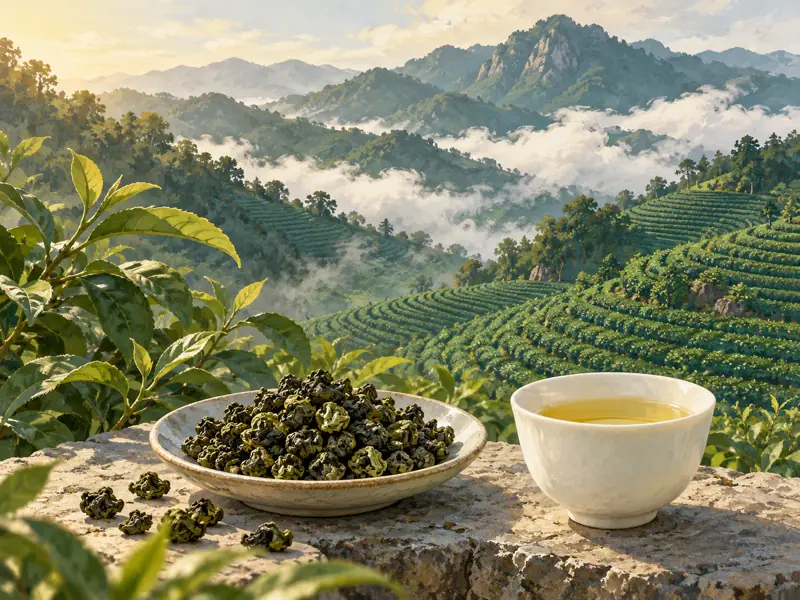
Tai di cha is a Chinese term for tea grown in managed plantations, often in closely planted rows with pruned bushes. It is especially common in pu-erh discussions. It describes cultivation, rather than a processing category, cultivar or fixed flavor.
Tai di, gushu and aged tea: three different questions
Tai di describes the garden system; gushu refers to old tea trees. Neither tells you how long the finished tea has been stored. A young tea made from old trees and an aged plantation tea can both exist. A short, pruned plant is not proof of a different botanical variety.
Is plantation tea always worse?
No. Growing conditions, picking, processing and storage all affect the cup. Plantation tea can be an affordable everyday choice. Some drinkers prefer the texture or finish of particular old-tree teas; compare actual samples before paying for that preference. A tree-age label is not a universal flavor ranking.
Does tai di mean pesticides?
The word alone does not tell you what was used in a garden or what remains in a batch. Nor does gushu prove that a product is organic or residue-free. Ask about garden management, relevant certification and batch testing when those matter to your purchase. Taste cannot measure pesticide residues.
How to choose a sample
Ask for the origin, harvest year, raw or ripe processing, plantation or old-tree claim, and whether the material is blended. Compare small samples with suitable, repeatable recipes. Record bitterness, texture, finish and total cost per gram. Choose what you enjoy at a price you can repeat, rather than treating tai di as an insult.
Ready for a starting point that fits your taste?
Find my tea