Start with the cup you want
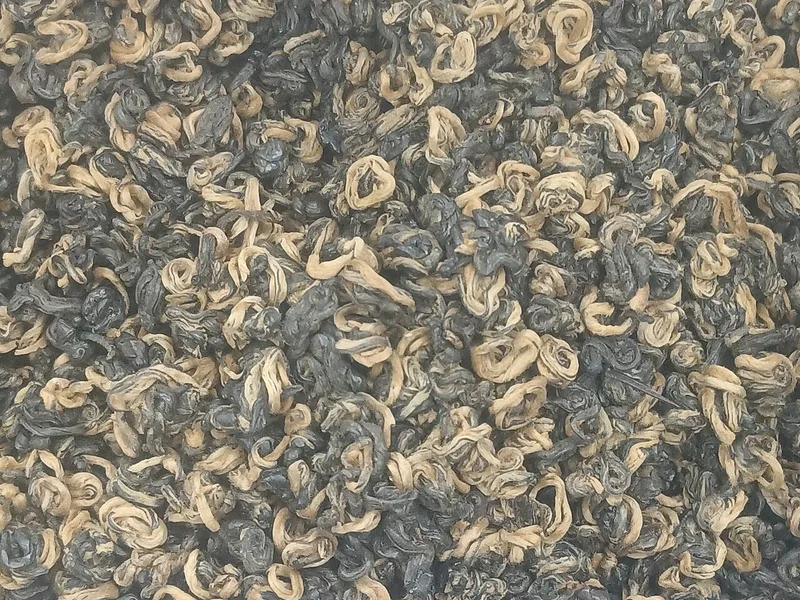
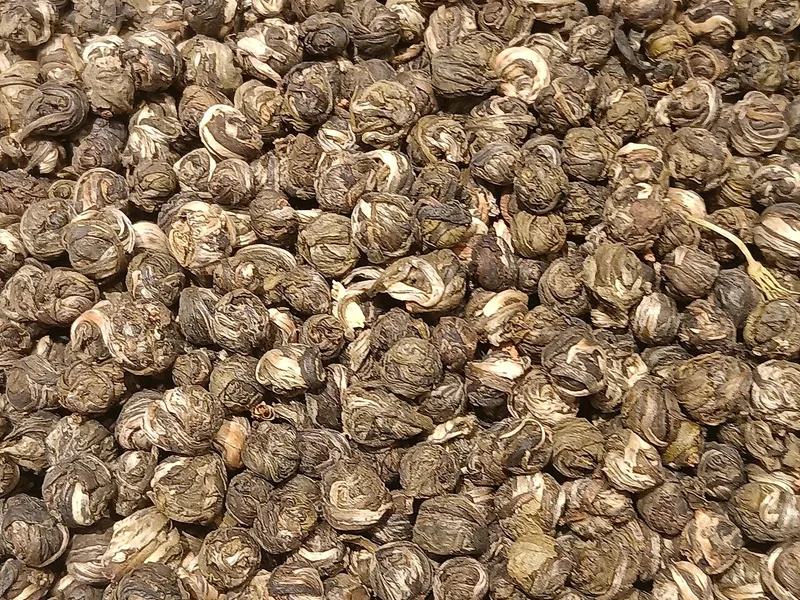
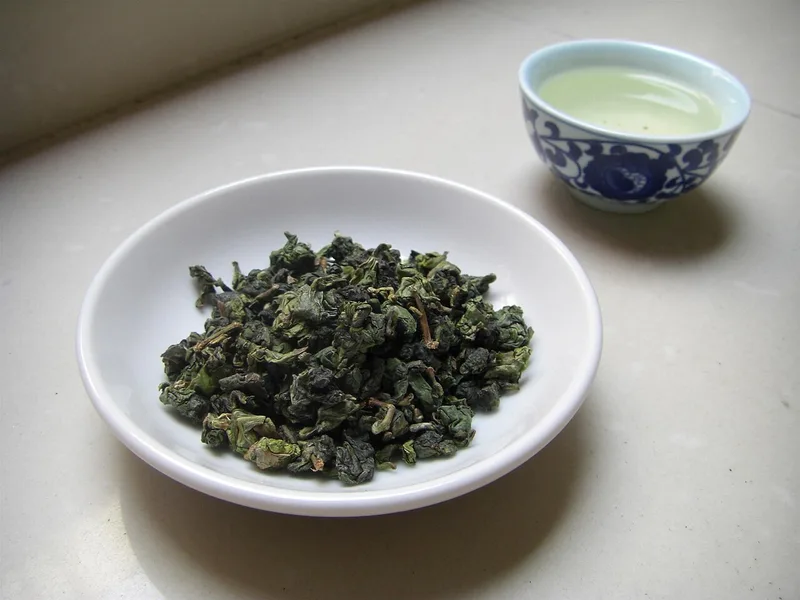
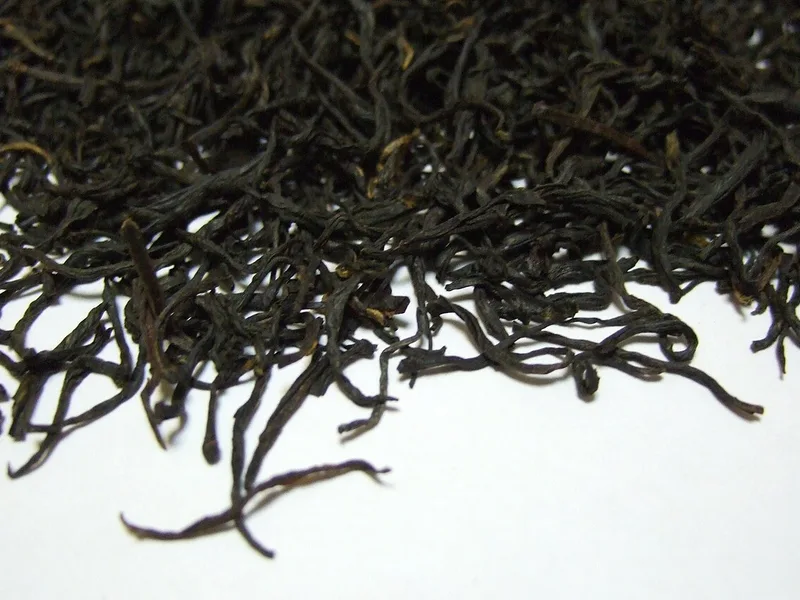
Decide on a flavor, how you will brew it and a budget for a small sample. Roasted oolong or Dian Hong can be a bridge from coffee; jasmine or a fresh oolong offers another direction. These are starting points, not proof that one tea is better.
Read a label in six parts
Look for the tea style, stated origin, cultivar when relevant, harvest or production date, processing and ingredients, and net weight. For pu-erh, add raw or ripe and storage history. Missing information is a reason to ask questions before paying a premium.
Blending is different from mislabeling
A blend can combine cultivars, harvests or origins for a deliberate flavor. Ask which leaves are blended and where they come from.
Ask what a famous name actually means
Da Hong Pao can be sold as a rock-tea blend; a Longjing name alone does not establish a protected origin. Ask what the seller means by the label and what supports the origin or cultivar statement. Flavor, leaf shape and a beautiful wrapper cannot authenticate a batch.
Treat season as a detail, not a ranking
Early spring and winter describe harvest timing. They are not additional processing categories. Ask for the region, year and actual picking period. Do not assume that the earliest harvest or winter harvest will be best for every cultivar, tea style and personal preference.
Separate age from storage quality
For raw pu-erh and aged white tea, ask about production information, where and how the tea was kept, and when the seller obtained it. An old date does not guarantee good storage or a flavor you will enjoy. Start with a sample; do not buy an entire cake for an age claim alone.
Compare the real cost of a sample
Use the same currency and net weight, then add shipping and any charges shown for your destination. A hypothetical $18 for 30 g is $0.60 per gram; $24 for 60 g is $0.40 per gram before shipping. These figures compare price, not quality.
Taste with one repeatable method
Compare small samples with instructions suited to each tea. Note aroma, body, bitterness, drying sensation and finish. Change one brewing variable at a time. A strongly perfumed dry leaf or many repeat infusions is not an authentication or safety test.
Write five questions to the seller
Is this a single cultivar or a blend? What origin and harvest information can you document? Is anything added for flavor? What is the roast or storage history? Can I buy a small sample with instructions? Clear answers are useful; we still have not verified an individual seller batch.
Know when to pass
Do not pay extra just for vague premium, ancient-tree or competition language. Ask which award, year and batch a claim refers to. If the needed details are unavailable, choose a more transparent sample. Visible mold or an unexplained unpleasant odor is a reason not to drink it; tasting cannot establish product safety.
Worked example: blend or single cultivar?
Imagine two 30 g samples at the same price. One lists the cultivars in a Wuyi blend; the other only says rare single cultivar. Ask what is in each sample, where it comes from and which batch you will receive.
Worked example: an old date without a storage story
A cake is labeled 2010. Ask whether that date refers to picking, pressing or packaging; where it was stored; and when the seller obtained it. If those answers are missing, do not pay an age premium on the date alone. Compare a small portion with a clearly described younger tea. These are hypothetical buying examples.
Watch a real tea lesson
Essential Information for Buying Tea
By Mei Leaf
Ready for a starting point that fits your taste?
Find my tea