Enter one currency. Include the shipping and charges allocated to this tea.
A price ladder for your own budget
Community snapshot, October 2026: some drinkers aim around $0.10–0.20/g for daily tea and question premiums above $1/g. These are personal value judgments, not market-wide quality thresholds.
Illustrative ceilings: 3 g of fresh leaf daily for 30 days means 90 g. Shipping and other charges must come out of the same limit; gongfu can use more leaf. These are calculations, not current product offers.
2025 procurement index
Ancient-tree material (CNY/kg)
Lao Ban Zhang
9,000
Bingdao
48,000
The China News report assigns 48,000 to Bingdao, not Lao Ban Zhang. These are a 2025 raw-material index, not today’s retail offers. Compare the place, grade, date and transaction stage before comparing numbers.
Famous-village guide prices can describe different grades, harvests and trading stages. Do not use a headline kilogram quote as your retail price or a certificate of quality.
Define your daily cup
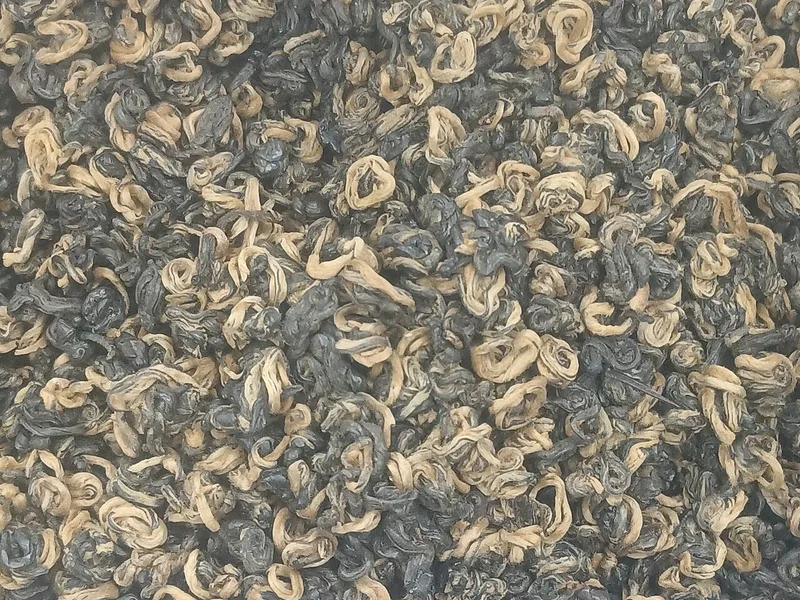
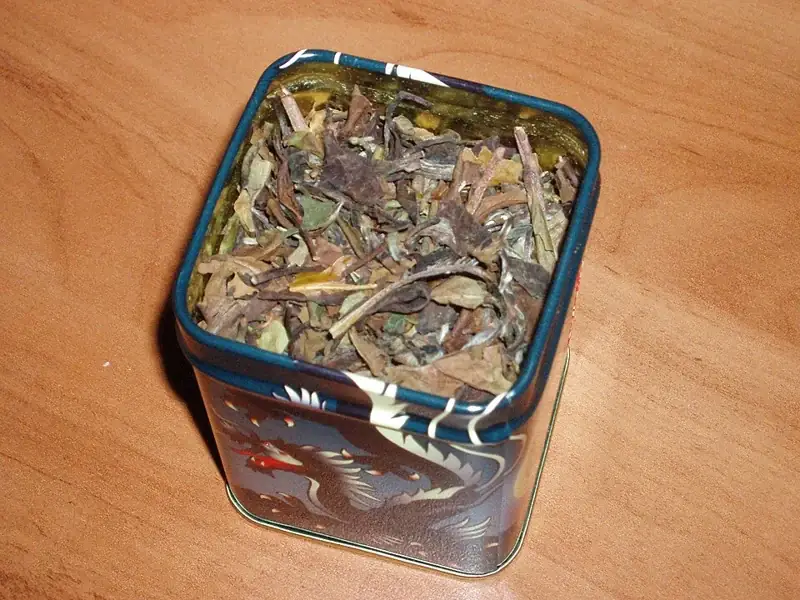
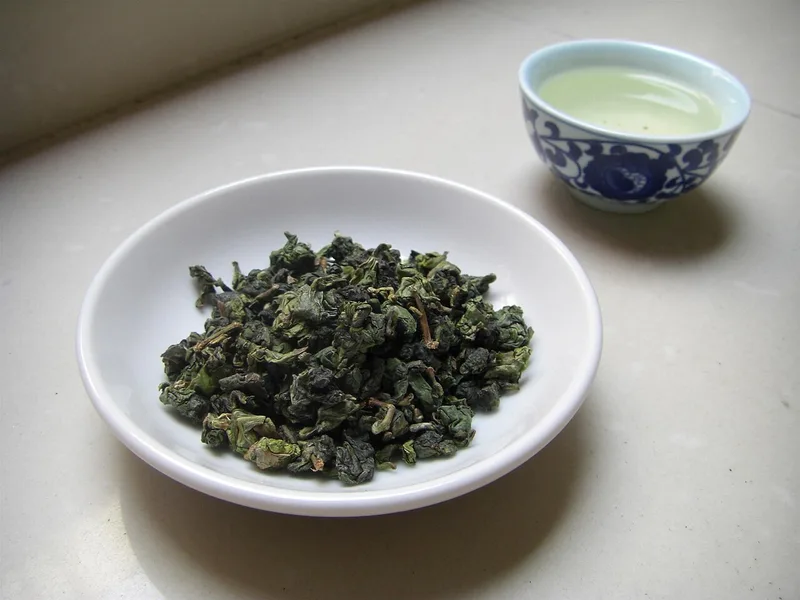
Choose a tea you enjoy brewing in your usual mug. Sample malty Dian Hong, roasted Tieguanyin or leafy Shou Mei. These are editorial starting points, not tested bargains or current prices.
Give the whole order a limit
Include shipping and checkout charges in your trial budget. Compare one currency; the calculator does not convert money or estimate customs. A large bag is poor value if you dislike it.
Compare a realistic serving
Hypothetical example: $18 for 30 g plus $6 shipping is $0.80 per gram, or $2.40 for 3 g of leaf. One serving means fresh leaves; extra infusions are not guaranteed.
Build your own repeat-buy list
Try a sample twice with a repeatable method. Record taste, convenience and delivered cost before reordering. Harvests and batches can change. An honestly described blend can be a good daily tea.